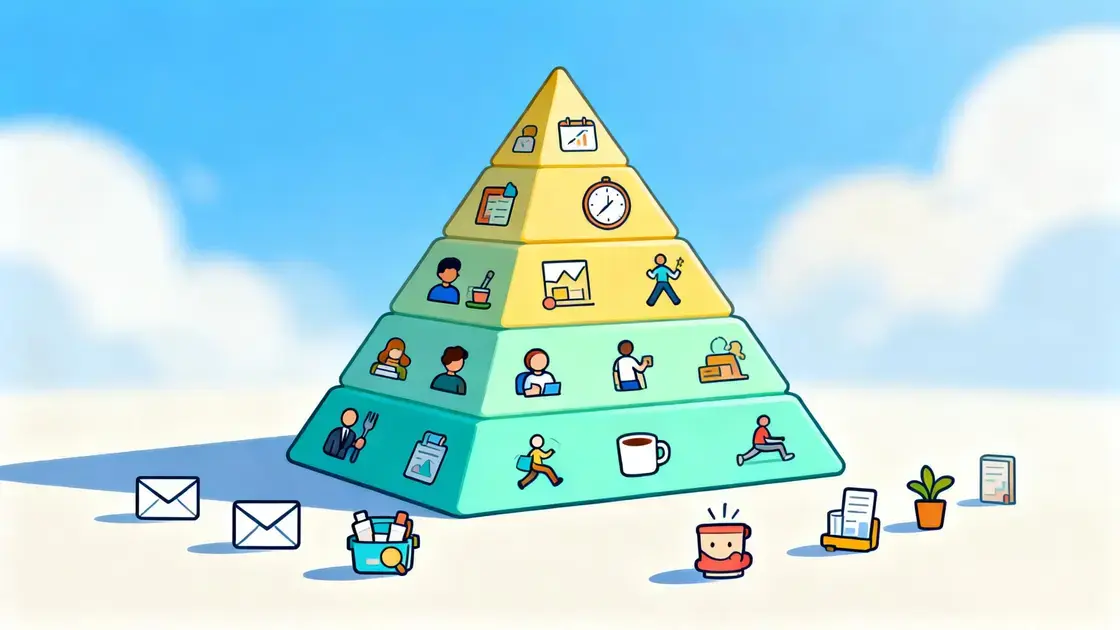
How to prioritize daily tasks stands as one of the most searched productivity challenges professionals and students face. Juggling responsibilities, deadlines, and distractions requires a deliberate strategy to avoid feeling overwhelmed. Proper task management shapes not just your workday, but your overall sense of achievement.
With so many tasks demanding your attention, choosing what truly matters can feel daunting. Recognizing your priorities ensures that energy goes to efforts with the biggest impact, boosting satisfaction and results.
Continue reading for surprising insights that will make each day more organized, focused, and rewarding.
Understanding the Importance of Task Prioritization
Prioritizing daily tasks isn’t just about finishing more things—it’s about putting energy into what truly matters. Every day comes with a mix of urgent needs, ongoing responsibilities, and tempting distractions, making it easy to lose sight of what’s important. Without a clear sense of priority, even the most dedicated people can feel scattered and constantly behind.
Learning to rank tasks by value to yourself, your team, or your goals helps you focus attention where it counts. This leads to both a stronger sense of accomplishment and better real-world results. When you know what matters most, saying “no” becomes easier, and your day feels more intentional.
- Reduced stress levels thanks to clarity of purpose
- Improved productivity through conscious effort
- A steady path towards personal and professional growth
Making prioritization a daily habit shapes every success you celebrate and keeps you moving forward even in a busy world.
Common Obstacles to Effective Prioritization
Even with the best intentions, many people face recurring roadblocks when trying to prioritize their daily tasks. One major challenge is the constant influx of new requests and interruptions, which can easily derail your focus. Suddenly, what felt urgent in the morning is replaced by last-minute demands or unexpected emergencies.
Multitasking is another common trap. It gives an illusion of progress but often scatters attention and leads to incomplete work. Self-doubt also creeps in—making it difficult to determine what really deserves your time and placing perfectionism in the driver’s seat.
- Confusing urgent tasks with important ones
- Lack of a clear, up-to-date to-do list
- Trying to please everyone instead of setting boundaries
Being aware of these obstacles is the first step toward making smarter, more confident decisions about how you spend your time.
Key Principles for Prioritizing Daily Tasks
Building a reliable system starts with clear principles. The first is distinguishing between tasks that are urgent and those that are important. Urgent tasks require immediate action, while important ones contribute to long-term goals. Mixing the two leads to unnecessary stress and missed opportunities.
Next, break large goals into smaller, actionable pieces. Small steps help you gain momentum and stay consistent. Embracing flexibility is also essential—priorities can shift quickly as your day unfolds, so being ready to adapt protects your focus.
- Assess potential impact rather than just effort required
- Allow time for reflection before starting your day
- reserve energy for high-priority objectives
Apply these principles daily, and you’ll find your decisions feel lighter, your productivity steadier, and your accomplishments much more meaningful.
Popular Prioritization Techniques and Tools
Numerous methods make task prioritization both simple and effective. The Eisenhower Matrix stands out for dividing tasks into four categories: urgent-important, not urgent-important, urgent-not important, and not urgent-not important. This visual method helps clarify exactly where to start and what to postpone.
Another trusted approach is the ABCDE Method, where each item on your list gets a single letter based on its impact and urgency. Digital tools like Trello, Todoist, or Asana also keep priorities visible and make it easy to reorder tasks throughout your day.
- Eisenhower Matrix for clear vision and action
- ABCDE Method for ranking at a glance
- Digital planners for real-time updates and tracking
With the right strategy, you transform chaos into clarity and consistently make progress on what matters most.
Building an Actionable Task List
A powerful task list is not just a memory aid, but a blueprint for progress. Break your day into clear, specific actions—vague entries lead to hesitation and wasted time. Each item should start with a verb and define what completion looks like, so there’s no room for doubt.
Narrow your options to the tasks that truly matter. Selecting three “must-do” items brings laser focus to your efforts and prevents overwhelm. Arrange your list by priority, so you always know where to start, and celebrate small wins to fuel motivation.
- Start with the hardest or most meaningful task first
- Break large tasks into manageable steps
- Update your list as circumstances shift
Treat your task list as a living tool—something to be refined, adjusted, and celebrated with each step forward.
Time Management Strategies for Success
Effective time management turns your priorities into real results. Use techniques like time blocking, where you dedicate specific periods to focused work. This simple shift helps reduce distractions and encourages deep progress on important tasks. Pair it with short breaks to sustain energy and avoid burnout.
Consider batching similar tasks together—answering emails or making calls within a set window—so your mind can stay in the same mode and maintain momentum. Planning your day the night before gives you clarity on where to begin, making mornings less stressful and more purposeful.
- Reserve your peak energy hours for the hardest work
- Say no to low-value tasks that don’t move you forward
- Regularly review and adjust your schedule for improvement
Smart time management isn’t about squeezing more in, but about giving your best to what matters most.
Staying Motivated and Adjusting Your Approach
Sustaining motivation through your daily priorities requires both self-awareness and flexibility. Celebrate each completed task, no matter how small, as this creates a sense of progress that fuels your persistence and optimism. If motivation fades, reflect on your achievements and visualize the bigger impact of your work.
Not every plan will work perfectly every day. When you notice things slipping, don’t hesitate to pause and reassess. Ask yourself what’s distracting you or causing delays, then make simple changes. Maybe your priorities have shifted or a new opportunity has emerged—embrace these moments as chances for growth and learning.
- Keep a journal of wins, big or small
- Set reminders for mid-day check-ins
- Share your goals with a friend or partner
Staying flexible while nurturing your drive transforms routines into a journey that’s both productive and personally rewarding.
Conclusion: Cultivating Lifelong Productivity
Prioritizing daily tasks is more than a productivity hack—it’s a mindset that shapes how you experience every day. By continuously reflecting on your goals and values, you develop the power to direct your energy and attention toward what truly matters. This clarity transforms even the busiest schedules into sources of fulfillment.
Each small step forward becomes part of a lifelong journey toward meaningful achievement. With every to-do list refined and every moment spent on high-impact work, your confidence and resilience grow. Success is built from consistent, intentional choices—not from doing everything, but from focusing on what moves you closer to your dreams.
- Practice patience when progress feels slow
- Celebrate small wins to build lasting motivation
- Revisit your priorities as life and goals evolve
Your commitment to smart prioritization will reward you many times over, inspiring growth, balance, and real satisfaction in all you do.