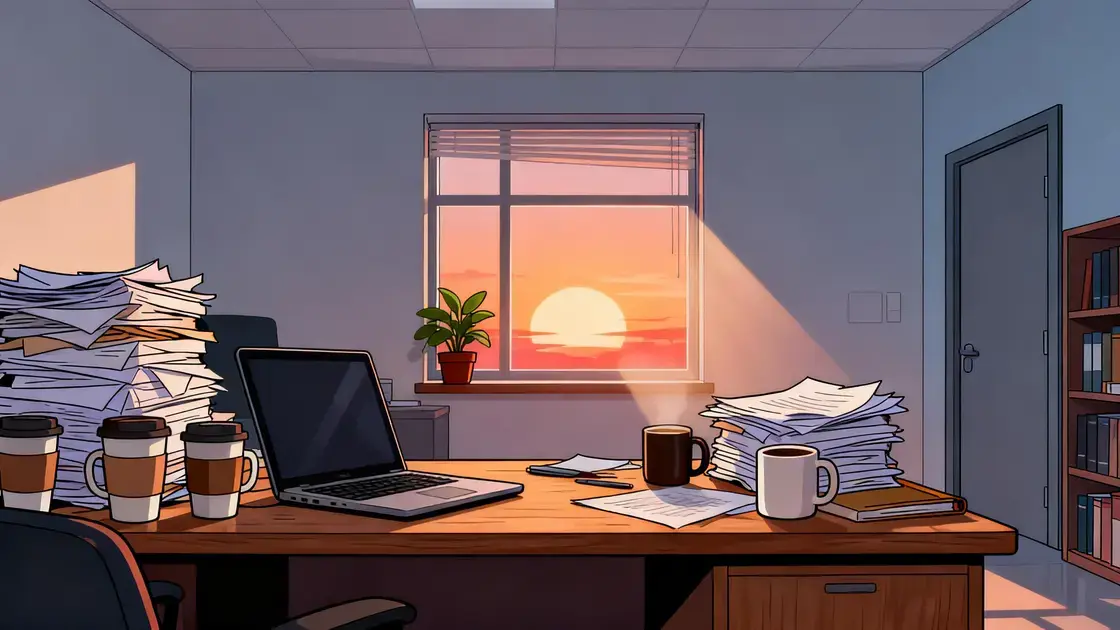
Signs of poor work life balance often start with feeling overwhelmed and constantly stressed, both at work and home. Emotional exhaustion builds, leaving energy levels low and motivation dwindling each day. Health, happiness, and relationships soon take a back seat when the balance tips.
Increased irritability and difficulty focusing make even simple tasks feel daunting. You may notice your interests and passions slipping away, replaced by constant worries about unfinished projects and looming deadlines. The joy of everyday life feels distant.
Continue reading for surprising insights on how to recognize these warning signs early and regain control of your wellbeing for good.
Understanding Work Life Balance
A healthy work life balance means more than just splitting time evenly between professional responsibilities and personal life. At its core, it’s about feeling fulfilled and at peace with how energy is distributed each day. When work constantly competes with your personal life, stress and dissatisfaction start to grow.
Striking the right balance often requires tuning in to your physical, emotional, and practical needs. Some people may thrive with long work hours and still find time for family, while others need more distinct boundaries. The crucial point is noticing when your life starts revolving around work at the expense of rest, relationships, and personal growth.
Understanding your ideal balance can be the turning point to restore enthusiasm and satisfaction in both career and home life. The journey starts by recognizing your unique needs and where the tipping point lies, then taking small, mindful steps toward harmony every single day.
Physical Signs of Poor Work Life Balance
When work begins to overshadow personal time, the body sends out clear signals. You may notice constant fatigue even after a full night’s sleep, or frequent headaches that seem to appear from nowhere. These physical symptoms often reflect the toll that relentless pressure and stress can take.
If you find yourself skipping meals or relying on fast food, pay attention. Irregular eating habits and digestive issues are common warning signs. Other physical manifestations include increased muscle tension, back pain, and a weakened immune system—leading to more frequent colds or illnesses.
- Unexplained aches and pains
- Trouble falling or staying asleep
- Decreased energy despite rest
Ignoring these signs can mean the body is running on empty. Physical health is deeply connected to how you balance life’s demands. Tuning in to your body’s whispers can be the first step toward creating real change.
Emotional and Mental Indicators
Emotional and mental signs of poor work life balance often appear before physical symptoms. A persistent feeling of overwhelm, anxiety, or irritability can linger even outside the workplace. As stress accumulates, mood swings may become common, leading to frustration with both colleagues and loved ones.
Losing interest in activities that once brought joy or feeling detached from personal passions are red flags. Difficulty concentrating, forgetfulness, and decreased motivation can make simple tasks seem much harder than they are. These shifts are clear evidence that your mind is overstretched.
- Feelings of guilt about time spent away from work
- Sense of constant pressure or never “doing enough”
- Restlessness, unease, or persistent sadness
Recognizing and respecting these emotional signals of imbalance can be a powerful first step. Taking action now restores not just productivity, but a genuine sense of peace and fulfillment.
Impact on Relationships and Social Life
A disrupted work life balance touches the people closest to you. When work consumes most of your energy, relationships often suffer first. Loved ones may feel neglected, while friendships grow distant due to constant cancellations or missed gatherings.
Social isolation can quickly set in, creating a sense of loneliness and disconnect from the world outside of work. You may become less patient with family or struggle to be present during meaningful moments. Over time, the lack of genuine connection can erode the foundation of trust and support that relationships need to thrive.
- Frequent arguments or miscommunications
- Decline in quality time with loved ones
- Withdrawing from social invitations and activities
Nurturing your social connections is essential for well-being. Small steps to rebalance can revive bonds, deepen friendships, and bring back joy to your everyday life.
Consequences for Career and Productivity
Ignoring the signs of poor work life balance can undermine your career more than you might expect. Persistent exhaustion often leads to decreased productivity, missed deadlines, and a drop in work quality. Motivation slips away, making it harder to focus on meaningful projects or deliver your best.
Rather than propelling your career forward, constant overwork can breed resentment and burnout. You may find it difficult to collaborate with colleagues or embrace new challenges. Even creativity and strategic thinking tend to vanish when you’re stretched too thin, causing professional growth to stall.
- Frequent mistakes and overlooked details
- Reduced enthusiasm for new opportunities
- Increased absenteeism or tardiness
Sustainable success relies on balance. Prioritizing personal well-being will not only restore productivity but also help you approach your career with renewed energy and joy.
Strategies to Restore Balance
Taking steps to correct poor work life balance doesn’t require drastic change overnight. Start by setting clear boundaries between work and personal time. Let yourself fully unplug after work hours, and create routines that signal when your day ends. Small shifts, like turning off notifications or carving out “no work” evenings, make a significant impact.
Prioritize activities that replenish your energy. Schedule regular breaks, physical activity, and time spent with people who lift your spirits. Remember, delegating tasks and asking for support is a sign of strength, not weakness.
- Block off time for hobbies and relaxation
- Communicate boundaries to coworkers and family
- Reflect and regularly adjust your schedule
Building better balance is an ongoing journey. Notice what brings you joy and keep making choices that support your well-being—every small action brings you closer to a more fulfilling life.
Maintaining Long-Term Wellbeing
Sustaining a healthy balance is a lifelong practice rather than a one-time fix. Regular self-checks to assess stress levels and satisfaction with daily routines keep you on track. Don’t hesitate to revisit your boundaries as life changes—flexibility ensures resilience against new pressures and responsibilities.
Investing in activities that recharge you is essential. Whether it’s a daily walk, creative pursuits, or bonding with loved ones, nurturing your physical, emotional, and social health creates a solid foundation for happiness. Don’t overlook the power of rest and reflection—these moments often reveal what you truly need.
- Prioritize self-care and enjoyable routines
- Seek feedback from trusted friends
- Stay adaptable as work and life evolve
Remember that maintaining balance is a journey. Small, consistent choices have a remarkable impact on your overall wellbeing and can help you thrive at home and at work.