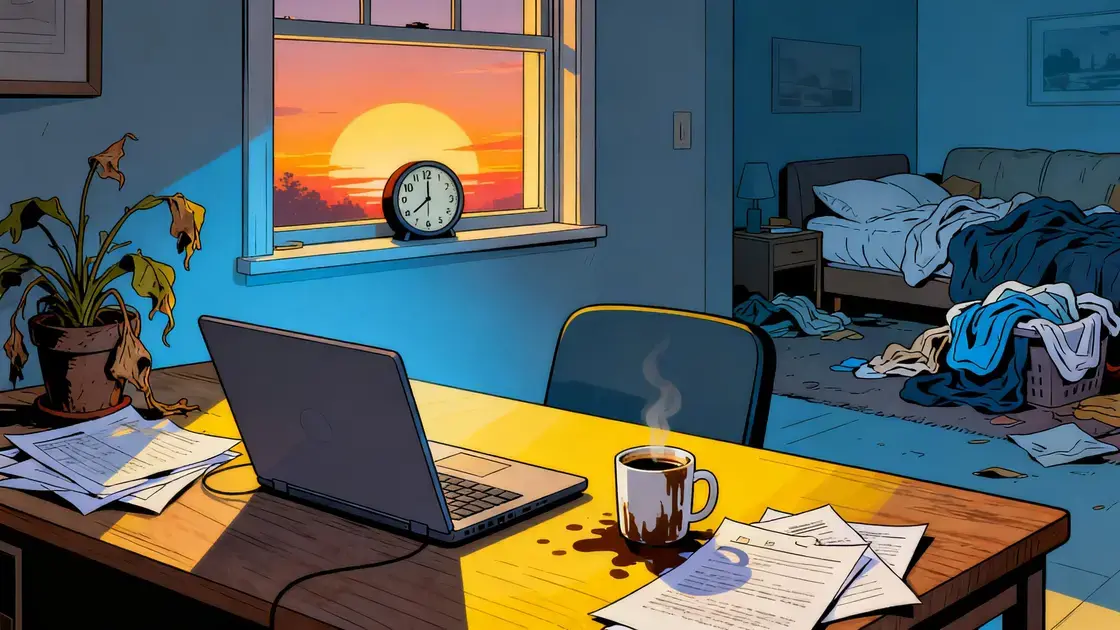
Signs of poor work life balance disrupt daily peace and drain both motivation and joy. Stress, fatigue, and troubles sleeping quickly become constant companions.
Personal and professional growth stalls when everyday pressures overshadow your well-being. Relationships start to weaken, and life feels less satisfying.
Continue reading for surprising insights on how subtle signs reveal bigger risks — and what steps to reclaim both happiness and productivity!
What Is Poor Work Life Balance?
Experiencing poor work life balance means daily demands from work overshadow your personal needs and well-being. When professional responsibilities constantly encroach on your time, even after office hours, stress can quickly mount and satisfaction with both work and personal life diminishes.
Signs often begin subtly—like skipped family dinners or feeling too tired for hobbies. Over time, these small imbalances create a major disruption. Fatigue, irritability, and a sense of burnout emerge when rest and relaxation are pushed aside in favor of endless productivity.
A poor work life balance isn’t just about working too many hours. It’s about losing boundaries between work and life, leading to health issues, damaged relationships, and reduced happiness. Recognizing this problem early is the key to taking back control and building a more fulfilling, healthy routine.
Major Signs of Poor Work Life Balance
The warning signs of an unhealthy work life balance are often easy to overlook until they start to affect daily living. Some people feel a constant sense of exhaustion, both mentally and physically, which doesn’t go away after rest. This creeping fatigue can lead to irritability or regular mood swings, making small frustrations feel overwhelming.
- Neglecting family and friends due to work commitments
- Bringing job-related stress into your home life and relationships
- Losing interest in hobbies or exercise you once enjoyed
- Struggling to disconnect from work, even during weekends or vacations
- Experiencing frequent headaches or trouble sleeping
As these signs increase, both motivation and personal happiness suffer. Poor boundaries blur the lines between work obligations and personal time, causing long-lasting negative effects if left unaddressed.
Emotional and Physical Consequences
Ignoring the persistent signals of poor work life balance can leave a deep impact on both mind and body. Emotional exhaustion is common, leading to anxious thoughts and feelings of being overwhelmed. This stress does not fade at the end of the day—often, it follows you everywhere, clouding moments that should bring happiness.
Over time, physical symptoms begin to show. Chronic stress might trigger headaches, muscle tension, or ongoing fatigue. It can also cause sleep disturbances and digestive issues, weakening your overall health. Emotional outbursts or irritability may strain relationships, making you feel isolated or misunderstood.
The long-term effects go beyond the office. A weakened immune system, difficulty managing emotions, and lost motivation are clear signs it’s time to reassess priorities. Listening to your body and emotions is essential for restoring balance and well-being.
Work Performance and Personal Life Impact
A disrupted work life balance doesn’t just remain in one area—it seeps into every aspect of your routine. When boundaries blur, work performance often declines. Missed deadlines, reduced creativity, and a lack of focus can become regular challenges. Even once high-performing individuals may feel their productivity slipping, sparking self-doubt and frustration.
Personal life suffers just as much. Quality time with loved ones diminishes, sometimes replaced by lingering thoughts of unfinished assignments. Social invitations are often declined, not for lack of desire, but out of sheer exhaustion or mental overload.
- Communication with friends or partners may become tense or infrequent
- Joyful activities lose their appeal, replaced by apathy or worry
- Life starts to revolve around work, even outside official hours
The result is not only reduced success at work, but a growing disconnect in the relationships and passions that make life meaningful.
Proven Strategies to Regain Balance
Reclaiming your time and energy starts with honest reflection on current habits. Setting clear boundaries around work hours is one of the most powerful changes you can make. Turn off notifications after hours and create a habit of leaving work at your desk, both physically and mentally.
- Prioritize daily self-care, such as exercising or reading
- Communicate with employers or colleagues about workload expectations
- Set aside time each week for activities that replenish joy
- Delegate tasks when possible, both at work and at home
Identify which obligations are most draining and look for ways to reduce or share them. Remember, seeking balance isn’t selfish—it’s essential for long-term productivity and happiness. Tiny adjustments can yield remarkable results if pursued with intention and consistency.
When to Seek Professional Support
Sometimes, the effects of poor work life balance become overwhelming, with stress and fatigue refusing to fade despite your best efforts. If you notice persistent anxiety, depression, or health problems that don’t improve, it might be time to talk to a professional. Mental health experts, career coaches, or wellness counselors can offer new perspectives and actionable tools.
- Therapists can help you process feelings of guilt or burnout
- Coaches assist with boundary-setting and time management strategies
- Support groups provide community, encouragement, and practical advice
Seeking help is a bold decision. It means prioritizing your long-term health and happiness—not just surviving but thriving. Early support leads to faster recovery, renewed confidence, and a clearer path toward the balance you deserve.
Maintaining Long-term Work Life Harmony
Building lasting work life harmony requires consistent attention to your needs and priorities. Make regular self-checks a habit: pause to ask yourself what’s working and what needs adjusting. Celebrating small wins—like taking an evening walk or completing a passion project—reinforces your commitment to balance.
- Adjust routines as your job or personal life evolves
- Continue setting clear boundaries and respecting your own limits
- Practice gratitude for moments of peace, connection, or creativity
Long-term harmony looks different for everyone. It’s about recognizing when you need rest and allowing yourself space to grow, both at work and home. With patience, reflection, and a willingness to adapt, you’ll find a rhythm that nurtures both ambition and joy.