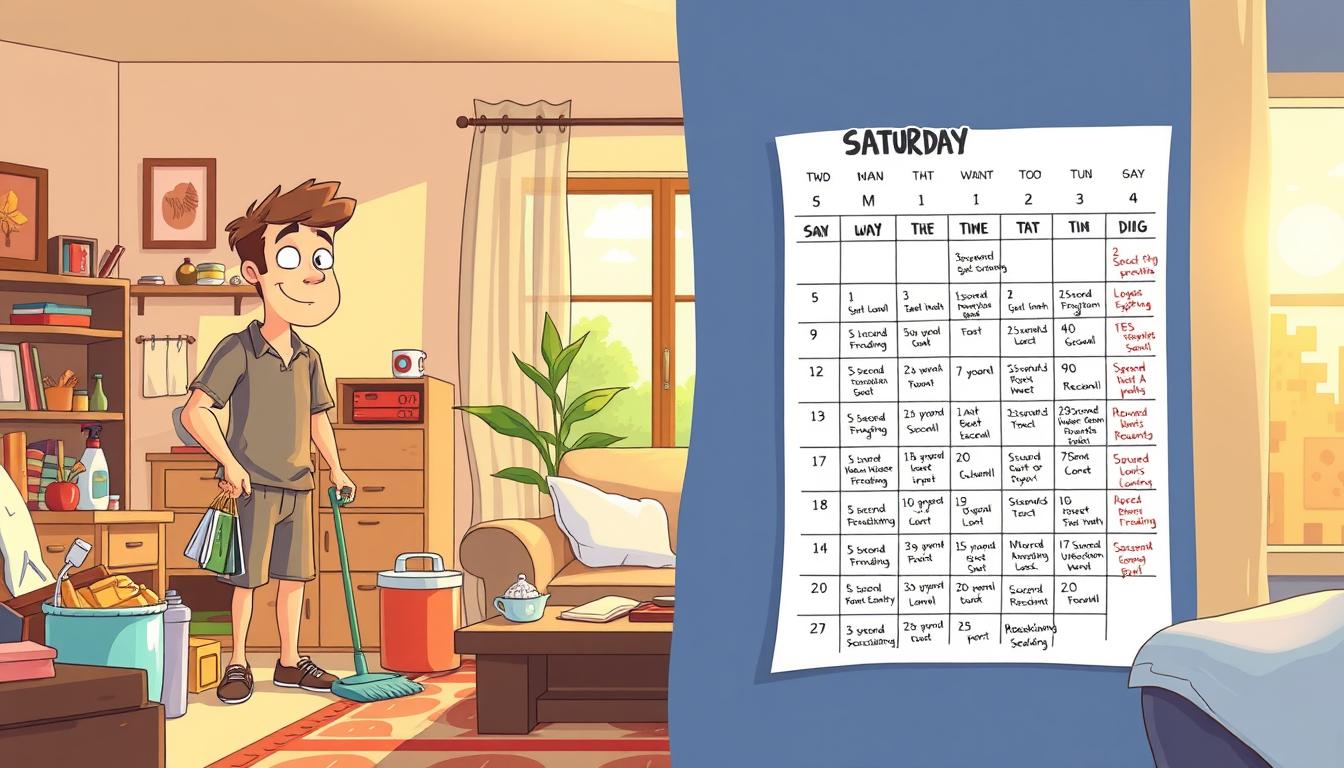
Weekend activity planning often starts with a familiar Saturday: free time sits on the calendar, but chores, errands, and messages compete for it. After a tiring workweek, even a simple choice can feel like one more task. Other people’s needs may fill the remaining hours before anyone stops to ask what sounds enjoyable.
A useful weekend plan can make room for responsibilities and enjoyment without filling every hour. A few deliberate choices can help people protect some free time while leaving room to rest or change course. The goal is not a perfect schedule or a packed list of outings. It is a light plan that works with real energy and real obligations.
Some weekends call for a lively outing; others call for a quiet hour at home. Both can feel worthwhile when people make space for what matters to them. The first move is to notice what is crowding out the weekend.
What Usually Crowds Out Weekend Enjoyment?
A person can spend Saturday answering messages, buying groceries, and doing laundry, then wonder where the day went. Weekend obligations often fill open hours through small choices made one after another. Each task may seem quick, yet several unfinished chores can leave little room for anything enjoyable.
An errand can lead to another stop, and a text can turn into a long social plan. Decision fatigue also plays a part: after making choices all week, choosing a fun activity may feel harder than staying home. The result can be a weekend that feels full but never feels chosen.
Workweek fatigue can make a planned outing seem like extra effort. A person might have the time to visit a museum but lack the energy to get dressed, travel, and stay awhile. Rest may be the best choice after an unusually demanding week, rather than another activity to complete.
Small obligations add up fast. A grocery run, a load of laundry, a family call, and a delayed repair can occupy much of Saturday. None seems like a major commitment alone, but together they can leave the day feeling claimed by everyone else.
Noticing the pattern helps people see whether chores, other people, low energy, or too many choices are taking over. That does not mean every task can disappear. It means the weekend can be shaped with more care, starting with what people want it to provide.
How Can Weekend Activity Planning Make Room for What They Enjoy?
One clear priority makes it easier to choose what belongs in the weekend. A single main intention is usually easier to act on than a long wish list. It can be a feeling or purpose, such as restoring energy, spending time outside, connecting with someone, or making progress on a personal interest.
Personal priorities need not sound grand. Someone may want a calm start, a good conversation, or a little space to draw. Naming one aim can help distinguish a meaningful plan from an activity added only because the hours look empty.
A window of free time can suggest a fitting scale. The examples below pair each opening with a useful intention and one possible plan. They are prompts, not rules about how long a weekend activity must last.
| Available window | Useful intention | Example |
|---|---|---|
| Short gap | A small restorative moment | Read at a café |
| Half-day | One focused outing | Visit a nearby park |
| Open day | A single main plan with room around it | Take a day trip with downtime |
A weekend intention should guide a choice, not become a productivity target. A person who hopes to feel restored has not failed by reading instead of finishing a stack of chores. Personal priorities can shift, too, if a demanding week changes what feels useful.
Once people know what they want the weekend to provide, they can make a plan that supports that aim. The next step is giving the main plan enough room to happen.
How Can They Protect Time Before the Weekend Begins?
The main plan is more likely to happen when it has a place on the calendar before the weekend starts. A time block is a reserved period set aside for a specific activity. It gives an enjoyable plan a real place beside work, family duties, and other fixed commitments.
First, people can check what is already set. Work shifts, appointments, family events, and scheduled errands may limit the open windows. Looking at those commitments first helps prevent a plan from competing with something that cannot easily move.
Start with fixed commitments
After marking fixed events, people can look for a window that suits their main plan. A morning may work better for someone who feels alert early, while another person may need a slow start. The plan should fit the shape of the day, not an ideal version of it.
Some activities also need time before they begin. A picnic may call for packing food, and a class may require a trip across town. Those minutes count, even though they are not part of the activity itself.
Reserve a time block for the main plan
A simple four-step check can turn an open window into a workable plan:
- Scan fixed commitments for the weekend.
- Choose one anchor plan that matters most.
- Reserve time for travel and setup.
- Leave a buffer for delays or a slower pace.
Scheduling every open hour is a common mistake. Too many blocks can make a weekend feel like a second work schedule, especially when travel or chores run late. Some people prefer to keep a day mostly unscheduled, and a single protected plan can still leave plenty of freedom.
A time block works best when it allows breathing room around the activity. Once the plan has a place, people can check whether its demands match the time and energy they have.
Which Plans Fit the Time and Energy They Have?
When energy is low, a long drive to a full-day event may be less appealing than a short visit to a nearby park. The best plan accounts for the whole outing, not just the time spent doing the activity. That includes travel, setup, cleanup, and any recovery time afterward.
A brief activity can fit between other plans or offer a gentle change of scene. A half-day outing leaves room for one main experience and the trip around it. A longer commitment may take much of the day, even when the activity itself seems simple.
Those labels are flexible, not strict time limits. A two-hour class across town may use more of the day than a longer activity close to home. The travel and effort around the plan can change how much free time remains.
Before settling on a plan, people can check four parts of the day:
- Available window for the activity and travel.
- Likely energy before and after the plan.
- Preparation needed, including clothes or supplies.
- Recovery time after the activity ends.
Counting only the activity itself is a common error. Someone may plan a one-hour swim but forget the trip, changing, shower, and rest afterward. A useful estimate includes those parts, so the day does not feel rushed or unexpectedly tiring.
Energy levels are not the same every weekend. A busy activity can suit a tired person if the experience feels genuinely restorative, such as a familiar dance class or an easy walk with a close friend. The key is how the plan is likely to feel, not how much effort it appears to require.
When time and energy match, the plan becomes easier to enjoy. People can now choose a mix of activities that fits what they want from the weekend.
How Can They Choose Activities That Feel Worthwhile?
One person may want a quiet weekend with a book, while another looks forward to catching up with a friend. Activities feel worthwhile when they suit the person taking part, not an outside idea of a perfect weekend. A plan can be simple and still feel like a good use of free time.
Some people want quiet, while others feel refreshed by company. Outdoor activities may offer a change of scene, and at-home plans can be easier to start. Choosing by personal taste helps prevent a weekend from becoming a performance for other people.
Choose solo activities for personal time
Solo activities give people room to follow their own pace. Reading, cooking something new, sketching, or tending plants can offer a clear break from work and messages. They also make it easier to begin without matching another person’s schedule.
Make room for social activities
Social activities can suit someone who wants conversation or shared time. A friend might meet for a walk, visit a local market, or share a meal at home. A plan does not need a large group to feel social; one good conversation can be enough.
Use nearby outdoor or at-home options
Outdoor activities can make a familiar day feel different. A visit to a local park or a walk on a nearby trail brings people outside without requiring a full-day trip. If weather could disrupt the plan, an indoor alternative gives the outing a second path.
At-home options can be just as engaging. Someone might try a new recipe, work on a hobby, or watch a film with a friend. A nearby plan may also feel easier to fit around chores than an outing that needs a long drive.
| Activity style | Example | Best fit | Preparation needed |
|---|---|---|---|
| Solo | Read a novel | Quiet personal time | Book and comfortable spot |
| Social | Walk with a friend | Conversation and company | Agree on time and place |
| Outdoor | Visit a local park | Fresh air and a change of scene | Weather-appropriate clothes |
| At-home | Try a hobby | Creative time at a calm pace | Basic hobby supplies |
A popular activity is not automatically the right one. Choosing a plan mainly because it looks impressive can leave someone tired or bored. A quiet choice that matches a real preference may bring more enjoyment than an outing chosen for other people’s approval.
The activity’s appeal matters, but practical details matter too. Checking those details before making a firm commitment helps keep a good idea workable.
What Should They Check Before Committing to a Plan?
A free visit to a nearby park can still require a ride, a bus fare, or a check of opening hours. People should consider the full cost and access needs before agreeing to a plan. Admission may be free while transportation or parking still adds expense.
Total cost depends on the activity, location, travel, and what participants already own. Admission, food, equipment, parking, and transportation can all matter. A picnic may cost little for someone with supplies at home, while the same outing could need extra purchases for someone else.
Keep the cost comfortable
Low-cost activities can include walks, library visits, or a meal made at home. A paid activity may still be worthwhile when it is a clear priority and fits the budget. The important check is whether the whole plan feels comfortable, not just its advertised price.
| Plan type | Examples | Main cost driver | Common advance check |
|---|---|---|---|
| Free | Park walk | Transportation or parking | Hours and access |
| Low-cost | Community class | Materials or supplies | Registration and materials |
| Paid admission | Concert ticket | Ticket and travel | Reservation and cancellation terms |
Check travel, access, and booking needs
Travel time can change how much of the day a plan uses. People can consider the route, available transport, and whether the place is easy to reach. Accessibility needs may include stairs, walking distance, seating, or other features that affect who can take part.
Opening hours, reservations, and cancellation terms also shape a plan. A place may close earlier than expected, or a class may need advance booking. Checking those details helps avoid arriving when an activity is closed or finding that a spot is unavailable.
Agreeing to a plan before checking its full cost is a common mistake. A quick review of travel, access, hours, and booking needs can prevent a stressful surprise. Once the plan works on its own, people can coordinate with anyone joining them.
How Can They Include Other People Without Losing Flexibility?
“Would you like to walk at the park Saturday morning, with coffee afterward if we feel like it?” gives a friend a clear choice. A specific invitation with one flexible detail makes shared plans easier to arrange. The person invited knows the activity and timing, while the optional stop keeps the plan light.
People can ask about others’ availability early, before the weekend fills up. A simple plan can reduce long message threads about where to go and what to do. It also helps everyone understand which parts are set and which can change.
For example, two friends might agree to meet for a walk and decide later whether they want coffee. If one person has to leave early, the walk can still happen. Clear expectations help the shared time feel easier rather than like another schedule to manage.
One common mistake is making the whole weekend depend on a single uncertain response. A person can keep a personal plan available while waiting, rather than letting the day remain undecided. Some activities are naturally best arranged as a group, and those plans may need more time to coordinate.
Flexibility comes from agreeing on what matters most. People might set a meeting time but leave the length of the visit open. If a detail changes, they can adjust without treating the whole plan as lost.
Shared plans can add warmth to a weekend without claiming every free hour. Keeping a simpler alternative in mind also helps if someone’s plans shift.
What Can They Do When Plans Change?
Rain can spoil a planned park visit, but a nearby museum or covered market may keep the day enjoyable. A good backup plan preserves the purpose of an outing, even when its details change. If the goal was a change of scene, a different place can still deliver one.
A backup plan works best when it is easier to reach or prepare than the original. People might choose an indoor stop near home, shift an activity to another time, or keep a simple option ready. It need not copy every part of the first idea.
Prepare for weather or access changes
Weather is one reason an outdoor plan may need a change. A rainy walk could become a visit to a library or a covered shopping area. If a place is closed or hard to reach, another nearby option can preserve the desire to get out.
Some activities can move to a different time. A morning outing might shift to the afternoon if the weather improves or a delay clears. A backup plan can stay simple, so changing course does not create more work than the original plan.
Adjust when energy or company changes
Energy and company can change, too. If a friend cancels, someone who still wants time outside may take a solo walk. If energy drops, the plan can become shorter or move closer to home.
- Swap an outdoor outing for a nearby indoor activity.
- Move the plan to a time that works better.
- Choose a solo option if a companion cancels.
- Scale down the outing when energy is low.
The purpose matters more than the exact details. A person who wanted a calm break can still take one at home, even if the planned café visit falls through. A changed plan does not mean the weekend has failed.
People can let go of the first version without giving up the reason they chose it. After the weekend, a brief look back can show what is worth carrying forward.
How Should They Adjust the Routine After the Weekend?
A brief, honest check-in is enough to inform the next weekend. People can note what felt enjoyable, what took more time or energy than expected, and what they would change. A few clear observations are more useful than grading the whole day.
For example, a favorite plan may work better earlier in the day, before errands or tiredness build. Someone else may enjoy the same activity more at a closer location. Small changes can make a familiar plan easier to repeat.
A common mistake is judging the entire weekend by whether every planned item happened. One missed task does not erase a good visit or a needed rest. The routine should help people enjoy their time, not create another obligation to meet.
A useful routine can stay simple. One manageable next step is to remember a single change that could make the next weekend feel better.
Conclusion
Making room for enjoyment does not require filling the whole weekend. One meaningful plan can give free time a shape, while open hours leave space for rest and everyday needs. A flexible plan lets people make changes without treating the day as lost.
People can start small this coming weekend by choosing one activity and reserving a suitable window for it. The plan can be modest, and it can still matter. A walk, a quiet hour, or time with someone close can be enough to make the weekend feel more like their own.
The next step is simple: choose one enjoyable plan and protect a little time for it next weekend.