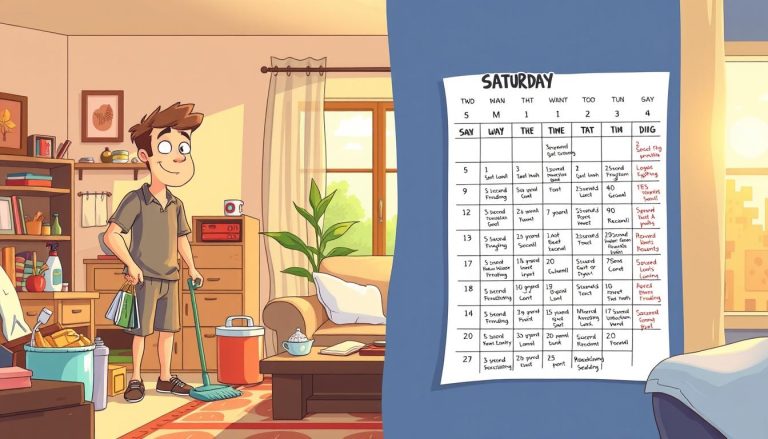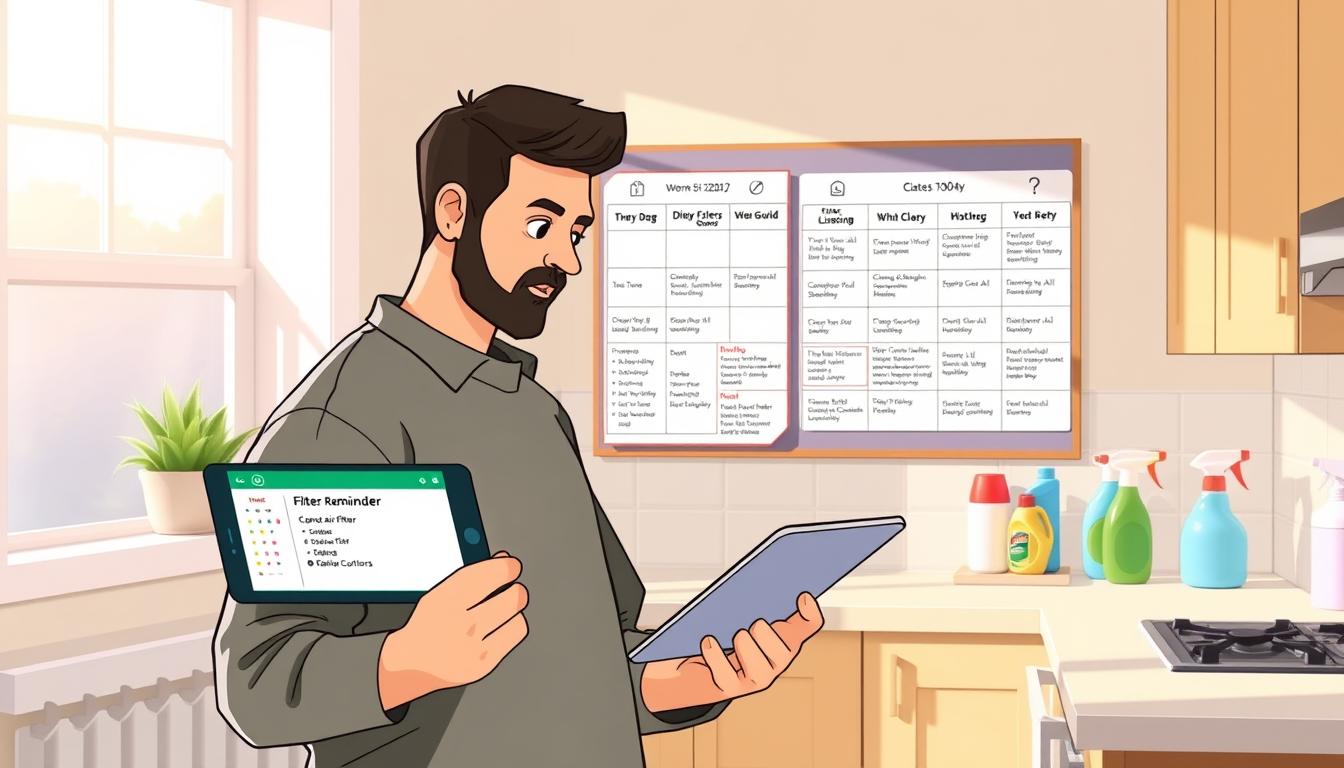
A missed filter reminder in a household maintenance calendar can leave a home reacting to problems instead of planning ahead. A gutter task noticed only after a storm can bring the same rushed feeling.
Preventive maintenance is routine work intended to reduce the chance of a breakdown. A useful calendar gives each task a time, a task owner, and a next action.
That structure helps busy households track recurring chores, seasonal upkeep, and repairs without relying on memory. It also gives household members a shared place to see what needs attention.
Weather and home needs shape the right plan. A home with mature trees may need different outdoor reminders than a home with little tree cover, while equipment instructions guide system care.
A small setup process can make upkeep easier to manage. The first step is deciding what information the calendar needs to hold.
How Can a Household Maintenance Calendar Be Set Up?
A workable calendar starts by pairing each repeating task with a time, an owner, and a clear next action. Each entry should say what needs attention, where it is, when it is due, who owns it, and what to do.
A simple format might read: “Check HVAC filter, hall closet unit, monthly, task owner, follow equipment manual.” Add a product guide, service note, or link name when it helps someone complete the work.
Recurring upkeep covers work done on a set schedule or when a known trigger occurs. Chores are daily or weekly home routines, such as washing dishes or taking out trash.
Repairs begin when something breaks, wears out, leaks, or stops working as it should. They need a status and next action, rather than a repeating reminder that assumes the problem will return.
The calendar can hold recurring task categories such as appliances, plumbing, safety devices, and outdoor care. Separate labels or colors can help people scan the entries, but the basic details matter more.
A due date alone may not tell the task owner what to do. An instruction can point to a manual, note a shutoff location, or state which service company handles the equipment.
For example, an entry might say, “Check furnace filter, basement utility area, monthly, task owner, see filter label for size.” That tells the next person where to look and what guidance to use.
Some homes work best with a date, while others need a trigger such as “after the first hard freeze.” The chosen cue should make the task easy to recognize and act on.
A common mistake is recording the task but leaving out its next date or trigger. Without one, the entry becomes a note rather than a working reminder.
Once the entry format is set, move on to gathering a complete list of work around the home.
How Can a Homeowner Find Recurring Tasks?
A walk-through often surfaces more recurring work than a quick glance at a household to-do list. Checking rooms, systems, and records gives a more complete household task inventory than listing visible chores alone.
Visible chores are easy to notice, but equipment and less-used areas can need regular attention too. A calm, repeatable walk-through helps bring those tasks into view.
Walk Through Each Room and System
Start at the front door and move through each room in a steady order. Check fixtures, appliances, and visible plumbing, including areas beneath sinks and around water heaters.
Look at high-use spaces, such as the kitchen and laundry area. A frequently used appliance may need more attention than a spare-room fixture.
Continue outside, checking paths, gutters, downspouts, and other drainage routes from a safe place. Note where water tends to collect, and look for signs of blocked flow.
Include the home’s major systems, even when they sit behind a closet door or in a basement. Heating, cooling, electrical, and plumbing equipment can have care instructions that are easy to miss.
Check Manuals and Past Maintenance Records
Appliance manuals often list care steps and service needs. Paper manuals, product labels, and saved digital copies can all help identify work that belongs on the list.
Past service records show what a technician repaired or checked. Review invoices, inspection notes, and existing reminders for follow-up work or repeat visits.
Some records may name a part, model, or service date. Keep useful details with the task so the next task owner does not have to guess which unit needs attention.
Use this checklist during the walk-through and record each relevant finding:
- Rooms and fixtures, including lights, faucets, and vents
- Major home systems, including heating, cooling, and plumbing equipment
- Appliances, including laundry and kitchen equipment
- Exterior and drainage, including paths, gutters, and downspouts
- Previous service records, including invoices and inspection notes
The list should not stop at visible chores. Less-visible systems and equipment can need recurring attention, even when they seem to work normally.
With a fuller inventory in hand, the next decision is how often each task belongs on the calendar.
How Often Should Each Task Be Scheduled?
Some tasks fit a regular weekly rhythm, while others depend on equipment guidance or how a home is used. Set each interval from the task’s instructions, use, and condition, not from a sample schedule alone.
Monthly home tasks can include testing smoke and carbon monoxide alarms. Dryer lint screens should be cleared after every load, not saved for a monthly reminder.
HVAC filters are commonly checked monthly. Their replacement intervals depend on the equipment, filter, and manufacturer guidance, so checking and replacing should not become one assumed step.
Quarterly maintenance can prompt a closer look at high-use fixtures and visible wear. The household can adjust that timing based on use and condition.
| Frequency | Sample tasks | Scheduling cue |
|---|---|---|
| Weekly | Visual checks, household resets | Choose one day |
| Monthly | Alarm tests, HVAC filter checks | Use a recurring date |
| Quarterly | High-use fixture, wear checks | Adjust to use and condition |
| Annual | Guidance review, larger upkeep | Plan before the relevant season |
The table offers starting points, not one rule for every home or product. Manufacturer instructions, equipment use, and the item’s condition can change an interval.
For instance, a household should not treat a monthly filter check as a universal replacement rule. A clean-looking filter does not replace the equipment maker’s guidance.
Seasonal timing also affects when larger upkeep makes sense. After setting ordinary intervals, account for work that changes with the weather and the time of year.
How Do Seasonal Tasks Fit a Year-Round Schedule?
In a freeze-prone home, a hose connection needs attention before cold weather, not on an arbitrary national date. Seasonal upkeep should follow local conditions and likely weather shifts, rather than one calendar date for every home.
Regional temperatures, rainfall, tree cover, and freeze risk vary across the United States. Those local conditions affect when outdoor tasks and system checks make sense.
Adjust Seasonal Work to Local Conditions
Spring home maintenance may focus on winter debris in drains and paths. A home with heavy tree cover may face more fallen leaves than a property with few nearby trees.
Rainfall can change how often a household checks drainage. After a storm, people can look for standing water or a blocked path where runoff should flow.
Fall home maintenance also depends on the local risk of freezing. In freeze-prone areas, outdoor hoses need attention before freezing weather arrives.
Not every task fits every region. A household in a mild climate may not need the same winter steps as one that sees snow and ice.
Set Weather Triggers and Lead Time
Set reminders ahead of likely weather changes, so there is time to act before conditions worsen. A forecast is a prompt to review plans, not a promise that weather will arrive on schedule.
Observable triggers can make reminders more useful. Examples include the first fallen leaves, a forecast cold snap, or the end of sustained hot weather.
A calendar date should never override unsafe conditions or local weather. A task that requires a ladder or work on a slick roof should wait until conditions allow safe access.
| Season | Outdoor focus | Indoor or system focus |
|---|---|---|
| Spring | Clear winter debris from drains and paths | Check cooling equipment before sustained use |
| Summer | Inspect irrigation and drainage after storms | Watch vulnerable areas for moisture |
| Fall | Clear safe gutter areas, disconnect hoses in freeze zones | Check heating equipment and weatherstripping |
| Winter | Monitor entryways and rooflines after snow or ice | Watch plumbing for freeze signs and leaks |
The seasonal entries provide prompts, not a claim that every home needs every task. The household can remove tasks that do not fit its property or climate.
Once seasonal work has a place, separate planned upkeep from repairs that need their own status and priority.
How Should Repairs Be Added Without Overloading the Calendar?
A new leak should not sit beside routine seasonal chores with the same priority. Repairs need a clear status and next action, while preventive maintenance stays on its regular schedule.
A repair starts with a new problem, such as a dripping pipe, a broken latch, or a machine that no longer runs. Scheduled upkeep is planned work that does not depend on a new fault.
A simple repair tracking process helps the household see what remains open. It also keeps an urgent issue from disappearing among routine reminders.
- Record the issue and its location.
- Assess how urgent the problem is.
- Name one task owner.
- Note the next action or appointment.
- Update the status when the work is complete.
For example, an entry can identify a leak beneath the kitchen sink and name the person arranging help. The next action might be shutting off water, if safe, or setting a service appointment.
An active leak or electrical hazard should never be scheduled as an ordinary future task. A household should treat hazards as urgent and take appropriate immediate steps.
Repair costs depend on the scope of the problem, materials, labor, and access. A repair behind a finished wall may require different work than one on an exposed part.
Keep the repair’s status current as plans change. If an appointment moves, note the new next action so no one mistakes the issue for completed work.
With task types and repair status clear, choose a calendar format that everyone can actually use.
Which Calendar Format Fits the Household?
A paper calendar works well when household members pass it often and prefer a visible reminder. A shared digital calendar suits households that need alerts or access from different places.
The best format is the one household members will update and check, with one agreed source of truth. A wall calendar can be easy to see, while digital tools can send reminders automatically.
Choose Paper for a Visible, Simple System
A wall calendar on the fridge or a planner can put tasks in plain view. Household members can scan upcoming work while passing through a shared space.
Paper needs hands-on updates. Someone must cross off completed work, move overdue tasks, and add new dates when plans change.
A planner may provide more room for instructions than a small wall calendar. The household can keep manuals or service notes nearby, but must still make the entry easy to find.
Choose Digital for Reminders and Shared Access
A digital calendar can repeat a reminder and notify people before a task is due. Shared access helps household members view changes without standing near a paper copy.
Set permissions so the right people can edit or view entries. Choose notifications with care, since too many alerts can make useful reminders easy to ignore.
For a clear comparison, paper offers visibility but needs manual edits. Digital tools offer reminders and remote sharing, but depend on sensible settings and access.
Both formats can support updates, though paper changes happen by hand and digital edits can appear across shared devices. Household habits should guide the choice.
A common mistake is keeping two unsynchronized versions as the household’s source of truth. If both remain active, dates or task details can conflict.
Once the format fits the household, make sure each task has a person responsible for moving it forward.
How Can Household Members Share the Work?
Each calendar task needs one named task owner, even when other people help. One clear owner prevents a shared reminder from becoming nobody’s job.
Choose an owner based on access, ability, availability, and familiarity with the equipment. A person who can reach the utility area may be a better fit for checking that system.
Assignments can include a helper without splitting accountability. One person can book a service visit, while another confirms the access details for the technician.
That division works best when the calendar shows who handles each part. The task owner can check that the booking and access details are both settled.
Rotating work can feel fair, especially for tasks that take little time. The rotation still needs a named next owner, so the task does not sit between turns.
For example, household members can alternate a monthly check, with the calendar naming the person responsible each time. A clear name is more useful than a general label.
Avoid writing “everyone’s responsibility” without naming who checks the task off. Shared access helps people see the work, but it does not assign responsibility by itself.
If a task owner becomes unavailable, another household member can take over. The calendar should then show the new owner and the next action.
With ownership clear, establish a regular review so dates and responsibilities stay current.
When Should the Calendar Be Reviewed and Updated?
A calendar becomes useful only when overdue entries are reviewed rather than rolled forward blindly. A monthly check-in keeps the maintenance schedule tied to real work and current household needs.
Household members can review the next few weeks together and make small updates. An extra review helps after a move, equipment change, major repair, or household schedule change.
Keep the check-in focused with four simple checks:
- Confirm completed tasks.
- Reschedule overdue tasks and note why they slipped.
- Check upcoming seasonal work.
- Verify task owners and instructions.
An overdue entry may point to an unclear instruction, a poor date, or an unavailable task owner. Finding the reason helps the household make a useful change.
Repeatedly moving the same task forward without asking why it was missed only hides the problem. The household can change the owner, cue, or timing when that solves the cause.
Equipment changes may make old notes out of date. A new appliance, for instance, can bring new care guidance that belongs with its reminders.
A steady review habit leaves the household ready to keep using the system, starting with one simple step.
Conclusion
The most workable setup makes the next home-care task clear to everyone who shares the responsibility. A useful household maintenance calendar names both a next action and a task owner.
Timing should fit the home’s equipment and local conditions. A reminder that suits one climate or appliance may not fit another household’s needs.
A practical first step is to schedule a short household walk-through and enter the first few recurring tasks. The household can add more as it learns what needs attention.
Begin with a few reliable entries, then build the calendar as the home’s needs become clearer.