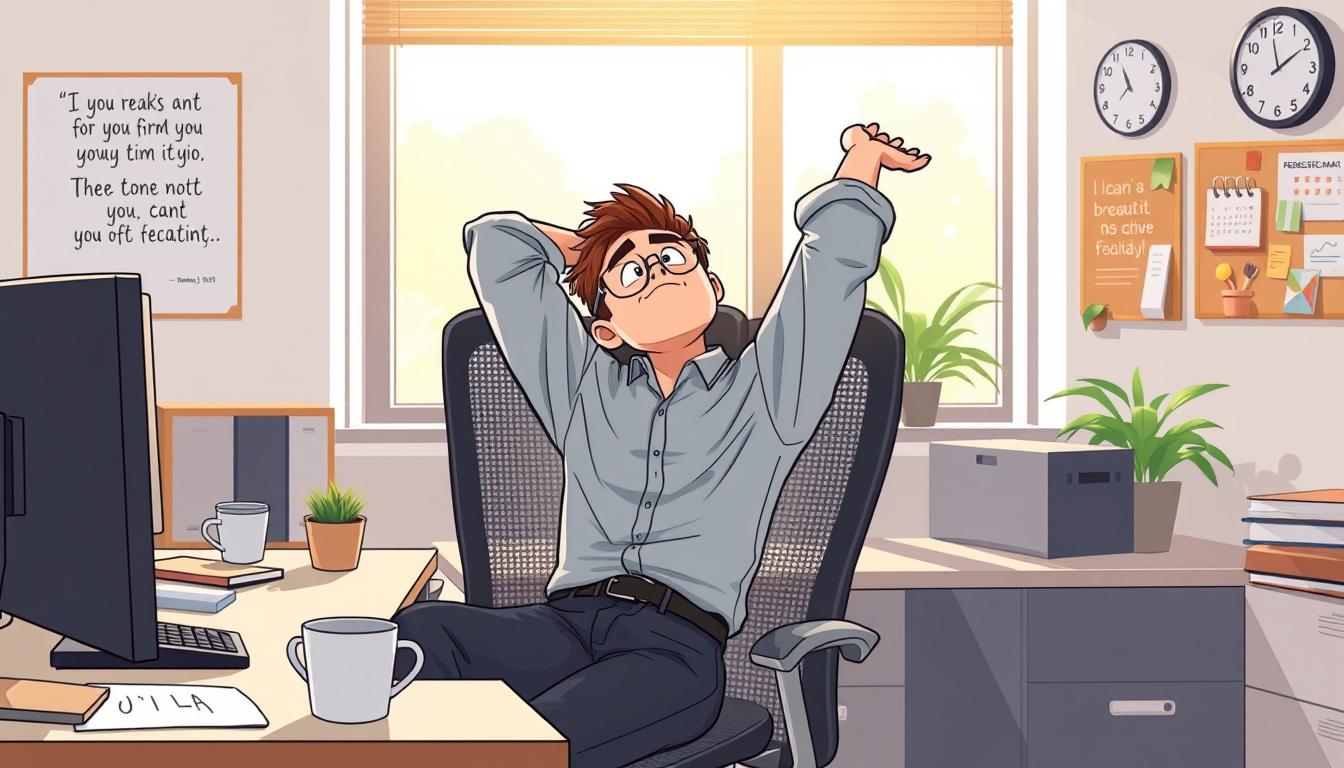
A desk worker looks up from a spreadsheet and realizes sedentary behavior breaks have not happened for hours. The same thing can happen after a long drive or a few episodes on a screen. Sitting can stretch much longer than anyone planned.
Sedentary behavior is waking time spent sitting, reclining, or lying down while using very little energy. Desk workers may spend much of the day this way, then add more sitting during screen time at home. Small daily habits can make a difference to how often sitting gets interrupted.
A movement break is a short interruption in sitting. It can be brief and shaped to fit a home, office, car stop, or other setting. A person does not need a special space or a perfect routine to begin.
The useful first step is noticing when the longest sitting stretches tend to happen. One repeated part of the day is often easier to change than an entire schedule. From there, a person can choose a starting point that feels realistic.
Which Sitting Patterns Should They Interrupt First?
Someone may notice that a daily meeting ends, then another hour passes at the desk. Start with one recurring stretch of prolonged sitting that is easy to spot and likely to happen again. A clear pattern is more useful than judging the whole day as good or bad.
To find a starting point, a person can think back over a typical day. The goal is to see when sitting time tends to gather, not to count every minute or blame a busy schedule. One or two days of casual noticing may be enough to reveal a useful pattern.
These common anchors can help someone spot a repeat stretch:
- After a long meeting
- During uninterrupted computer work
- After a meal
- During a TV or gaming session
Each anchor marks a moment that often leads into more sitting. A meeting might flow straight into email, while a meal may lead to a long spell on the couch. A person can notice which moment feels most predictable in their own routine.
Trying to change every sitting period at once is a common mistake. That plan can turn a small habit into another demanding task, especially on a busy day. One chosen stretch gives the person a clearer place to begin and less to manage.
For example, someone who sits after a morning meeting could focus on that stretch first. Another person might choose the time after lunch because it repeats each workday. Once a likely sitting stretch is identified, the next choice is a manageable break interval.
How Often Should They Take a Movement Break?
A person can begin by trying a short movement break about every half hour of sitting. A practical starting rule is 2-5 minutes of movement after about 30 minutes of sitting. This is a habit-building rule of thumb, not a universal medical prescription.
The right pace may differ from one person or day to the next. A longer interval may fit a work task that needs focus, while a shorter break may feel easier during a flexible day. Comfort and personal needs also matter.
A brief break does not replace other physical activity. It simply creates a pause in a sitting stretch, which may be easier to fit into an ordinary routine. Someone who already has an activity plan can treat the two habits as separate parts of the day.
It can help to think of the timing as a starting point, not a score to meet. If a person misses a break, there is no need to make up for it with a longer one. Returning to the next planned opportunity keeps the routine manageable.
Some days include calls, deadlines, or travel that make a set interval hard to follow. A flexible approach lets the person adjust without dropping the idea entirely. Once the timing feels workable, cues and surroundings can make it easier to remember.
Movement reminders can be useful, but a prompt that does not fit the day may quickly become background noise. The best cue is one the person can notice and act on without losing focus. The next step is choosing a cue that fits the routine.
How Can They Build Sedentary Behavior Breaks Into the Day?
A reminder can work better when it follows a predictable transition, such as the end of a call. A cue tied to an existing part of the day is easier to notice than a random interruption. The aim is to make a break feel like a natural next step.
Calendar reminders suit people who plan their day in blocks. A timer can work for someone who prefers a simple signal while focusing. An end-of-call cue requires no device, but it depends on the person noticing that the call has finished.
Any cue can become easy to dismiss if it arrives at a bad time or too often. If that happens, the person can adjust the reminder to follow a task transition instead. A useful cue should support the routine, not interrupt every task at random.
Use reminders that fit the routine
A calendar alert gives a clear time to pause, while a timer works without a planned meeting schedule. A natural transition, such as ending a call, can feel less disruptive because the task is already complete. Each choice has a different fit, so the person can test the one that suits the day.
If an alert gets ignored several times, that is useful feedback about the cue. It may arrive during a task that cannot be paused or blend into other alerts. Moving it to a calmer time or linking it to a finished task can make it easier to act on.
Make movement easy to start
The space around the person can make a break feel simple or awkward. A clear path removes the need to move bags or cords first. Comfortable shoes can help when walking is part of the plan, and a stable chair can support a seated option.
A few small choices can set up the habit:
- Choose one sitting stretch.
- Select a cue that fits that stretch.
- Decide on one brief action.
- Test the setup for a few days.
Keeping the setup small leaves room to learn what works. If the action needs equipment or a major change of clothes, it may be harder to start during a busy day. A cue and an easy action can turn an intention into something repeatable.
Once a cue is in place, the person can choose a movement that suits the time and space available. A short walk may work in one setting, while a seated action may fit another. The next step is matching the movement to the break.
What Movements Fit Into a Short Break?
Someone with a clear hallway can choose a quick walk without changing clothes or finding equipment. A movement break can be a small, comfortable change in posture rather than a workout. The movement should match the setting and the person’s comfort.
These timings are practical examples, not prescribed doses. A person can move at an easy pace and stop when the break ends. The goal is to change posture and move comfortably, not to turn every pause into exercise.
| Movement | Suggested time | Setting | Effort |
|---|---|---|---|
| Easy hallway walk | 2-5 minutes | Hallway or outdoors | Light |
| Calf raises | 1-2 minutes | Beside sturdy desk or counter | Light |
| Sit-to-stands | 1-2 minutes | Sturdy chair with clear space | Light |
| Seated march | 2-3 minutes | Stable chair | Light |
A hallway walk may suit someone who wants fresh air and has a clear route. Calf raises can fit beside a desk or counter, while sit-to-stands need room around a sturdy chair. A seated march offers another choice when standing does not fit the moment.
These options are not a ranking. A movement that feels simple in one setting may be awkward in another, so a person can choose based on the space at hand. They can also vary the action from one break to the next.
Having a few choices can keep the habit from feeling tied to one room or piece of equipment. A person may use a hallway at work and a stable chair at home. From individual movement choices, it is easier to see how breaks fit common work situations.
How Can They Fit Breaks Into a Workday?
A worker can add a brief walk after finishing a task rather than waiting for a long open block. A natural pause in an office routine can make room for movement without adding a major project. The break can follow work that is already complete.
A movement break does not need to disrupt a meeting or a task that requires close attention. Someone can wait until a call ends or choose a quiet fallback when leaving the desk is not practical. A small pause should fit the work, not compete with it.
| Work situation | Natural cue | Movement | Quiet fallback |
|---|---|---|---|
| Focused desk work | Finish a task | Short hallway walk | Stand and stretch beside the desk |
| Virtual meeting | Meeting ends | Walk to refill water | Stand during a pause if appropriate |
| Phone call | Call begins or ends | Walk while talking | Shift posture beside the desk |
| Lunch break | Meal ends | Short walk | Stand and put lunch items away |
The table pairs common tasks with cues that already happen during the day. A person focused on a report might wait until saving or sending it, then take a short walk. The task offers a clear stopping point instead of another alert.
During a virtual meeting, movement may only fit once the meeting ends. If a pause comes during the call, standing is an option only when it does not distract or interfere. A phone call may allow walking, but staying near the desk can work just as well.
Lunch can offer a simple transition when the meal is finished. A brief walk or putting lunch items away changes the posture without requiring a long break. Once work tasks provide useful cues, household routines can offer similar transitions beyond paid work.
Where Can Movement Breaks Fit at Home?
After putting away groceries, someone can take a moment to move before sitting down again. Home routines offer natural cues that do not depend on a formal work schedule. A completed task can mark a simple pause in sitting.
The cue can be part of a routine that already happens. Making coffee, putting away groceries, or finishing a household task can each create a transition. The action can be brief, so it does not add much work to a full day.
Pair movement with morning and household routines
A person might use the end of breakfast as a signal to move before starting the next task. Between chores, a pause can break up time spent sitting after a job is done. A long phone call may also create a clear point to change posture when it ends.
These home anchors can help someone choose one repeatable moment:
- After breakfast
- Between chores
- After a long phone call
- Before settling in for the evening
The same anchor may work on most days, while other days call for a different one. For example, a household task may take longer than expected, but finishing it still marks a natural transition. The cue is useful because it belongs to the routine, not because the day follows a strict plan.
Break up television and other screen time
For television, a person can pause between episodes or stand during a natural break in viewing. Someone playing a game could take a brief walk after a round ends. These pauses can interrupt a long session without asking someone to stop midway through a favorite scene.
Movement should not be added during a screen activity that needs close attention. Monitoring a child or following safety instructions calls for focus, not a walk across the room. A person can wait for a safe pause before changing position.
At home, the best cue may be a meal, a finished chore, or the end of a screen segment. A small action can fit around these everyday transitions. Once the habit fits home life, movements can be adjusted for different abilities and comfort levels.
How Can They Adapt Breaks for Mobility or Health Needs?
A reader who cannot safely use a hallway walk can still interrupt a sitting stretch. The right movement break may be a posture change or a small comfortable movement, not a walk. Each person can choose an action that fits their abilities and setting.
A movement break does not need to look the same for everyone. Some people can stand with support, while others may be more comfortable staying seated. Clear space and sturdy furniture can help lower the risk of a trip or wobble.
Choose supported or seated movements
Seated marching or gentle ankle movements can offer a way to move without standing. Someone who feels steady may stand with a stable support, such as a fixed counter. The support should not slide or tip when used.
Before starting, a person can check that the area is clear of cords, rugs, and other obstacles. A stable chair or counter should be close enough to reach without a stretch. Small changes to posture can also count when larger movements are not comfortable.
Mobility limitations do not mean that a person must follow someone else’s routine. Comfort, balance, and the space available can shape what feels manageable. A break can stay brief and gentle, with no need to force a movement.
Know when to pause and seek guidance
A person should pause if a movement brings on pain, dizziness, or unusual shortness of breath. Those signs are a reason to stop, not to push through the break. A different posture or movement may feel more suitable, but safety comes first.
Anyone with a health condition, balance concern, or uncertainty can ask a qualified health professional about suitable activity. That person can help identify options that fit specific needs. Advice may also help someone decide which movements to avoid.
Someone may find that standing is uncomfortable on one day but sitting upright feels fine. The goal is to interrupt the sitting pattern in a way that feels safe and workable. Once a comfortable approach is in place, the next task is making it easier to maintain and adjust.
How Can They Make Movement Breaks More Consistent?
Someone may miss a reminder during a busy afternoon and still restart at the next cue. Missing a break is a small setback, not a reason to abandon the routine. A simple adjustment can make the plan fit real life better.
A short habit tracking note can show whether the chosen cue is being noticed. The person might check off one cue each day rather than record every movement or minute. That small record can reveal when the plan needs an adjustment.
| Common obstacle | Adjustment | Backup | Example cue |
|---|---|---|---|
| Reminder gets ignored | Change alert to a task transition | Stand and shift posture | After a meeting |
| Schedule changes | Attach movement to a flexible daily anchor | Take a short break at the next natural pause | After lunch |
| Movement feels inconvenient | Choose an action requiring no equipment | Use a seated option | Before returning to the screen |
| Missed a day | Restart with one sitting stretch | Resume at the next cue | After the next call |
The table gives a person a way to respond without rebuilding the whole routine. If a reminder gets ignored, the cue can move to a task transition. If a day gets busy, the next natural pause can be enough to restart.
Checking off one chosen cue can answer a useful question: did the person notice it and act? If not, the cue or action may need to change. The record is there to help the plan fit the day, not to grade the person.
Even a missed day can show where the routine needs more flexibility. A person can resume after the next call or return to one chosen sitting stretch. From consistency, the next step is judging whether the routine works by looking at the behavior itself.
How Can They Tell Whether the Habit Is Working?
Someone can check whether they have interrupted their afternoon sitting stretch more often this week. A useful routine shows up in the behavior: the chosen stretch gets interrupted, the cue gets noticed, and the movement feels manageable. These signs offer a clearer view than one day’s mood.
A person can consider each sign on its own. If the sitting stretch rarely changes, the cue may be hard to notice or act on. If the cue works but the movement feels awkward, the action may need to be simpler.
Only one part needs to change at a time. Someone could try a new cue while keeping the same movement, or keep the cue and choose a more comfortable action. Changing one piece makes it easier to tell what helped.
Feeling energetic on a single day is not a reliable way to judge success. Energy can vary for many reasons, and one good or tiring day does not show whether the routine is taking hold. The person can focus on whether the chosen sitting stretch changes more often.
A routine that works should fit into real days, including days with meetings, errands, or little free time. If it feels hard to sustain, a smaller change may be easier to repeat. The next step is keeping one workable change and choosing a small action to build on it.
Conclusion
One repeatable movement break is a better starting point than an ambitious plan that is hard to keep. A short, comfortable pause attached to one predictable sitting stretch can fit into an ordinary day. It does not need to turn into a workout.
Today, a person can choose one sitting stretch, set a cue for it, and try a brief movement that feels appropriate. If the first choice does not fit, a small change can make it easier next time. The simplest break is often the one most likely to happen again.
Keep the easiest break and adjust it as daily routines change. A workable habit can grow at its own pace, one cue at a time.