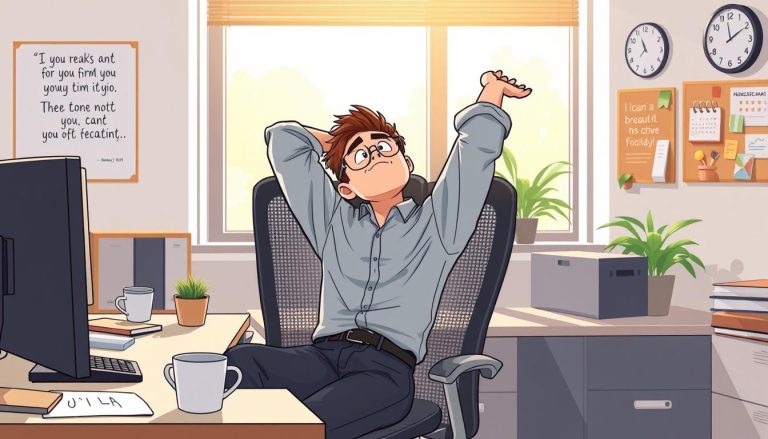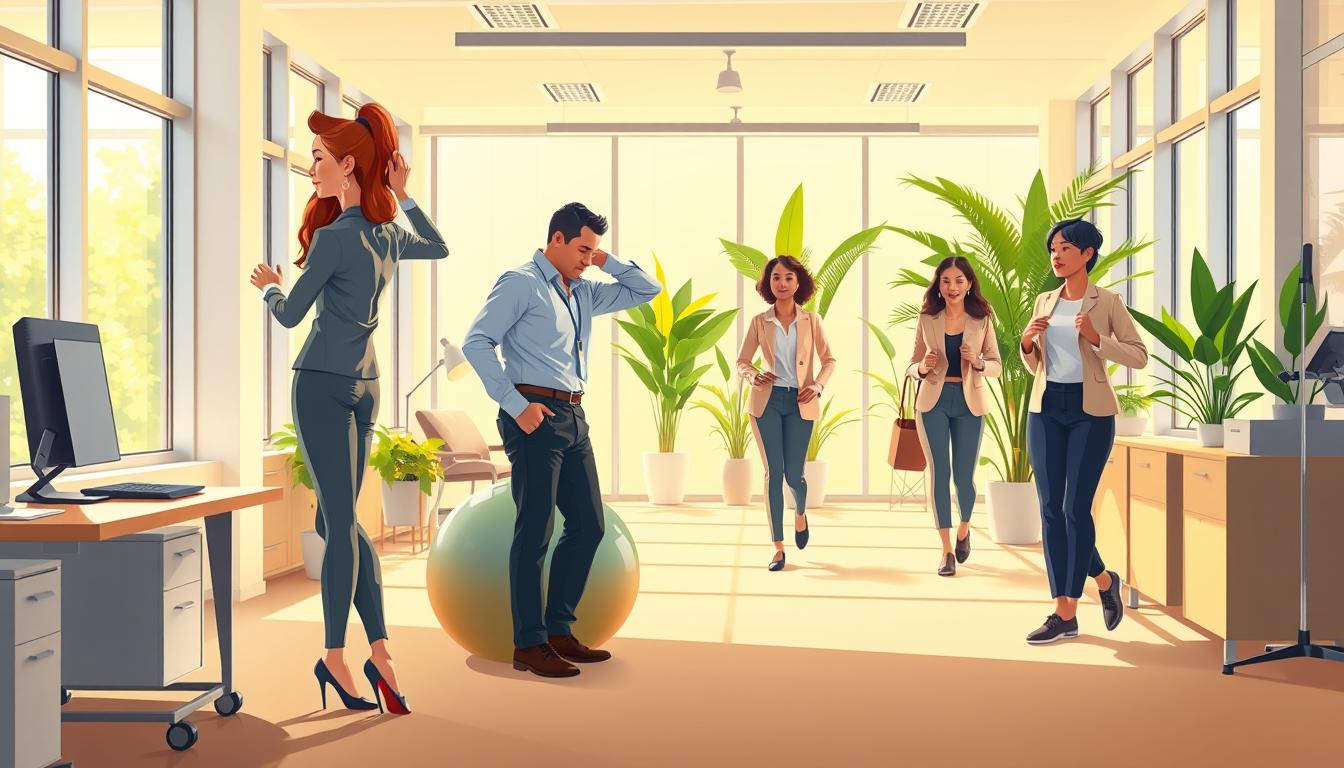
Modern life often means long hours at a desk. This leaves little time for exercise. But, you can stay active without a gym by making small changes.
Small, consistent changes are best for long-term health. Taking the stairs or stretching during breaks helps. These small steps boost energy and mood.
Being active doesn’t have to be hard or take a lot of time. Simple habits can help you stay healthy. Seeing every step as a chance to live better can change your life.
Understanding the Importance of Consistent Daily Movement Habits
The human body was made to move. But today, we often sit still. Small, frequent movements are key to a long life. Daily movement habits are the base for a lively and full life.
The Physiological Benefits of Frequent Activity
Regular movement boosts physical health. It helps control blood sugar and improves insulin use. This keeps energy levels steady all day.
Also, it’s great for cardiovascular health. It makes the heart stronger and improves blood flow. This helps avoid problems from sitting too long.
Breaking the Sedentary Cycle
A sedentary lifestyle has hidden dangers. Sitting too long weakens muscles and stiffens joints. This makes it hard to move well.
Breaking the cycle of sitting is key. Even short moves can help. Moving often keeps our bodies healthy and strong.
Preparing Your Environment for Success
Starting an active lifestyle often begins with your surroundings. A space that encourages movement helps avoid sitting too long. Making small changes can turn a still office into a place for health.
Optimizing Your Home Workspace
A tidy desk is key for posture improvement and comfort. An adjustable standing desk helps switch between sitting and standing. This keeps the body moving and stops stiffness from desk work.
Also, think about where you put things. Keeping water or office supplies a bit out of reach makes you move more. These small changes help a lot without taking up extra time.
Utilizing Wearable Technology for Accountability
Today’s devices are great for reaching fitness goals. Wearables give data that makes habit tracking easy and fun. They show steps, heart rate, and how much you move each hour.
These gadgets act like a personal coach. They remind you to stand or stretch. This keeps you on track and motivated. Here’s how different tools can help with your daily activity:
| Tool Type | Primary Benefit | Best For |
|---|---|---|
| Smartwatch | Real-time tracking | Active habit tracking |
| Standing Desk | Posture improvement | Ergonomic support |
| Fitness App | Goal setting | Long-term fitness goals |
| Balance Board | Core engagement | Dynamic movement |
Morning Routines to Kickstart Your Metabolism
Starting your day with light exercise is a big win for your health. Doing a movement routine in the morning tells your body it’s time to get moving. This helps your metabolic health get a head start before the day gets busy.
Stretching and Mobility Exercises
After sleeping, our bodies can feel stiff. Doing some mobility training in the morning helps loosen up. Simple stretches like cat-cow or neck rolls can really help you feel better.
You don’t need fancy gear or a big space for these exercises. Just five to ten minutes a day can get your body ready for the day. It keeps you flexible and helps avoid aches from sitting too much.
Incorporating Movement into Your Commute
Going to work or school is a great chance to get some exercise. Walking or biking to work is a great way to use travel time wisely. Even if you take public transit, you can still move more by walking to a farther stop or taking stairs.
Making small changes to your commute can really boost your energy. Making exercise a part of your daily routine is easier than you think. Here’s how different morning activities can help you reach your goals.
| Strategy | Primary Benefit | Time Required |
|---|---|---|
| Dynamic Stretching | Increased Flexibility | 5 Minutes |
| Brisk Walking | Cardiovascular Health | 15 Minutes |
| Cycling to Work | Metabolic Boost | 20+ Minutes |
| Mobility Drills | Joint Health | 10 Minutes |
Integrating Activity into the Traditional Workday
Many people sit a lot at work. This can make you feel stiff and tired by the afternoon. But, making small changes can help a lot.
Implementing Desk-Based Exercises
You don’t need a gym to stay active at work. Simple desk exercises can be done at your desk. They help keep your muscles moving.
Seated Leg Extensions
Sit up straight with your feet on the floor. Lift one leg straight up, hold, then lower it. This helps your legs.
Upper Body Desk Stretches
Stretches for your upper body are key. Roll your shoulders back or stretch your arms up. These help your back and neck while typing.
The Strategy of Micro-Breaks
Micro-breaks are great for staying well at work. Take a two-minute break every hour. It helps avoid feeling tired from sitting too much.
The table below shows how different exercises help you stay healthy at work.
| Exercise Type | Primary Benefit | Frequency |
|---|---|---|
| Seated Leg Extensions | Improved Circulation | Every 60 Minutes |
| Shoulder Rolls | Tension Relief | Every 30 Minutes |
| Neck Stretches | Posture Improvement | Every 45 Minutes |
| Standing Reach | Energy Boost | Every 90 Minutes |
Being consistent is important. Small actions can make a big difference in your workday.
Active Communication and Meeting Habits
Changing how teams talk can make meetings better. Many people stay active on their way to work. But, the workday itself has chances to move too.
Small changes in how we talk can boost our energy. This is good for our day.
Conducting Walking Meetings
Walking meetings boost creativity and clear thinking. Instead of sitting, people walk and talk. This is like desk exercises for the mind.
Studies show moving helps blood flow to the brain. This leads to better problem-solving. Walking makes talks feel like fun adventures.
Standing During Virtual Calls
Virtual meetings often mean sitting for hours. Standing during them improves posture and focus. This is key for workplace wellness.
Try standing with a standing desk or a laptop on a high place. Standing keeps you energetic and alert. It’s a simple way to stay healthy at work.
Movement During Lunch and Afternoon Slumps
After lunch, many people feel less focused and tired. This is because our bodies start to digest food. Doing some light exercise can help us feel better.
The Benefits of a Post-Meal Walk
Walking after eating is good for our health. It helps our bodies use sugar for energy instead of storing it. Walking also helps our digestion and makes us feel less bloated.
Walking is also great for our hearts. Even a short walk can make a big difference. It refreshes our minds and hearts.
Quick Energy-Boosting Movements
Short exercises are good when we can’t walk. They wake up our muscles and improve blood flow. This helps us stay energetic all afternoon.
Here are some easy exercises to try:
- Desk stretches: Reach up to stretch your spine and relax.
- Seated leg lifts: Lift your legs to work your core and lower body.
- Standing calf raises: Do these while waiting for the printer to help your heart.
Doing these small exercises is very helpful. They keep our bodies strong against afternoon tiredness. Doing them often helps make them a part of our daily life.
Evening Habits to Sustain Activity Levels
The evening is a great time to keep moving. Instead of sitting down after dinner, you can stay active. Making small choices in the evening helps you stay active until bedtime.
Household Chores as Functional Fitness
Many see cleaning as a chore, but it’s good exercise. Vacuuming and scrubbing floors work many muscles. They help burn calories and make you stronger.
Seeing chores as a workout is smart. It makes daily tasks a way to stay fit. This way, you’re active without going to the gym.
Active Leisure and Family Engagement
It’s important to move during your free time. Instead of just watching TV, try walking or playing games outside. This keeps everyone active and connected.
Active play is key to staying active. When you do it with family, it’s easier to keep up healthy habits. It makes the evening fun and good for your health.
Overcoming Common Barriers to Staying Active
Building a strong routine means finding ways to keep going when life gets tough. Sometimes, days are busy or the weather is bad. The first step is to stay flexible and keep moving, no matter what.
Managing Time Constraints Effectively
When your schedule is full, long gym sessions might get cut. But, you don’t have to skip exercise altogether. Try short, intense workouts throughout the day. These quick sessions keep you moving without needing a lot of time.
Make movement part of your daily tasks. Do squats while waiting for coffee or lunges during calls. Consistency is more important than duration when time is tight.
Staying Motivated During Inclement Weather
Bad weather can stop outdoor plans. It’s key to have a backup plan for indoor workouts. This way, you avoid long breaks in your routine.
Choose indoor functional fitness that needs little gear. You can do planks, push-ups, and yoga in a small room. Staying active indoors keeps your routine going until the weather gets better.
Tracking Progress and Adjusting Your Routine
Understanding your body’s signals is key to improving your routine. Watching your daily activity helps keep your physical health safe. It makes sure your efforts last over time.
By observing closely, you find what works for you. This is based on your unique lifestyle.
Setting Realistic Daily Goals
Setting fitness goals that are reachable is crucial. Aim for small, easy steps that fit your life. This avoids the frustration of big, hard goals.
Setting goals that match your skills builds confidence. Consistency is more important than how hard you work at first. You can do more as you get stronger.
Refining Habits Based on Energy Levels
Your energy levels change throughout the week. Your routine should too. It’s okay to switch to a gentle walk when you’re tired.
Listening to your body helps avoid burnout. It keeps you interested in your movement goals.
Good habit tracking helps you make these changes. By tracking how you feel, you find what’s best for you. Use the table below to see how to track your progress.
| Method | Best For | Key Benefit |
|---|---|---|
| Digital Apps | Data lovers | Automated insights |
| Paper Journal | Mindful reflection | Personal connection |
| Wearable Tech | Real-time feedback | Instant accountability |
The goal is to make a flexible system that fits your life. Regularly check your progress. This helps refine your habits for better health.
Conclusion
Small changes in daily activity can make a big difference. Healthy habits help the body stay strong during long days and quiet nights.
Being consistent is key to lasting success. These tips guide you to boost your energy and health. Every move you make makes you stronger.
Improving fitness is a journey, not a one-time goal. See each step as a step towards better health. Small changes add up over time.
Begin with one or two easy habits today. Use tools like an Apple Watch or Fitbit to track your progress. Keep going, and you’ll see lasting benefits.