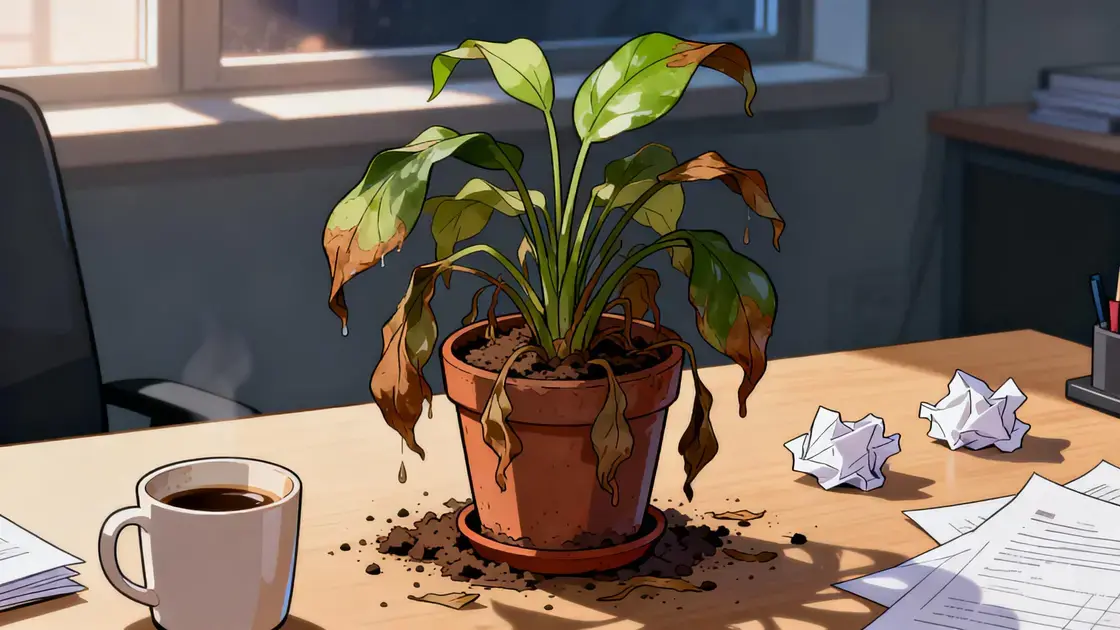
Workplace burnout affects even enthusiastic beginners. Fast-paced deadlines, high expectations, and a constant push for productivity can quickly overwhelm new professionals. Ignoring early symptoms can risk both career growth and mental health.
Many overlook the subtle warning signs and blame themselves for feeling tired or unmotivated. The sooner you notice these signals, the faster you can act, preserving your energy and passion for your new role.
Continue reading for surprising insights and actionable ways to regain your motivation before burnout becomes a crisis.
Understanding Workplace Burnout: A Beginner’s Perspective
Stepping into a new job often comes with high hopes and excitement. Yet, for many beginners, that bright energy can quickly fade if stress starts to pile up. The early stages of burnout can sneak in, changing the way you see your work and yourself. It’s more than just a passing feeling of tiredness after a tough week.
Workplace burnout happens when the drive to succeed clashes with excessive pressure, lack of support, or unclear expectations. Newcomers may push themselves to fit in or impress, ignoring signs that something isn’t right. This mix creates a situation where exhaustion, frustration, and self-doubt become constant companions.
Recognizing the impact of burnout—even as a beginner—means taking the first step toward protecting your motivation and well-being. Awareness is powerful; it helps you set boundaries before negative patterns take hold and stop workplace challenges from dimming your passion.
Key Early Warning Signs You Shouldn’t Ignore
Burnout rarely arrives all at once. For beginners, its earliest signs can be subtle, often mistaken for everyday stress or nerves. Paying close attention to these clues can prevent a downward spiral and keep your spark alive.
- Unrelenting fatigue: Constant tiredness, even after a good night’s sleep, signals your body and mind are struggling to recover.
- Loss of enthusiasm: The excitement you felt on your first day starts to fade, replaced by dread or emotional distance.
- Increased mistakes: Simple errors and forgetfulness can point to mental overload—especially if you used to be detail-oriented.
- Withdrawing at work: You might avoid socializing or stop participating in team activities because everything seems overwhelming.
Spotting these early warning signs gives you the chance to pause, reflect, and take protective steps, before burnout takes hold.
Physical, Emotional, and Behavioral Symptoms Explained
Burnout starts small but can take over if left unchecked. Newcomers might first notice persistent headaches, muscle aches, or stomach issues—signals your body is under pressure. Sleep troubles, like tossing and turning or waking up tired, are further red flags that stress is affecting recovery.
The emotional signs can be even more striking. You may feel irritable, hopeless, or stuck in negativity. A once-positive attitude turns into skepticism or even resentment, especially when facing new challenges.
- Physical: Chronic exhaustion, frequent illness, unexplained aches.
- Emotional: Mood swings, loss of motivation, feeling detached.
- Behavioral: Being late, withdrawing from coworkers, procrastinating.
Recognizing the spectrum of symptoms helps beginners realize that burnout can show up in all areas of life, not just at the desk. By connecting the dots, you can take meaningful action toward recovery.
Practical Strategies to Combat Early Burnout
Taking immediate steps to address burnout can make all the difference for beginners. Prioritize self-care by creating routines that truly support rest and renewal. This includes setting regular sleep schedules, eating nourishing meals, and making time for movement—whether it’s a quick stretch or a brisk walk.
Breaks are not a luxury; they are essential. Step away from your desk throughout the day to reset your focus. If possible, talk with a supportive colleague or mentor, sharing your challenges instead of carrying the weight alone.
- List your core responsibilities and say “no” to extra tasks
- Use brief mindfulness exercises to calm anxiety and regain clarity
- Celebrate small wins, shifting your focus back to progress instead of perfection
By acting early, you invest in resilience and reclaim a sense of purpose, strengthening your position when faced with future stressors.
Setting Boundaries: Protecting Your Well-Being
Creating boundaries is a profound act of self-respect, especially for beginners eager to prove themselves. If tasks keep piling up and your availability seems endless, exhaustion follows. Learning to set limits is not selfish—it is necessary for lasting success.
Start by clearly communicating your workload to supervisors and colleagues. If you’re overwhelmed, let them know honestly. Protect your time by designating periods for focused work and breaks, avoiding the trap of always being “on.”
- Keep work emails and messages out of your personal time when possible
- Politely decline extra projects when your plate is full
- Remember that saying “no” can actually safeguard your energy and quality
Boundaries build trust—not only with others, but also within yourself—reminding you that your health and happiness always deserve a place on your to-do list.
When and How to Seek Help
No one should face burnout alone, especially if warning signs keep growing stronger. If exhaustion, detachment, or frustration persist despite your efforts, it’s time to reach out. Seeking support is a sign of strength, not weakness, and can set you on a brighter path forward.
Begin by confiding in someone you trust—this might be a manager, mentor, or mental health professional. Many workplaces offer resources like counseling or employee assistance programs. Don’t wait for crisis; early intervention can prevent long-term harm and restore your motivation.
- Write out what you’re experiencing to share with others
- Ask about resources or flexible work options to relieve stress
- Allow yourself permission to nurture your well-being
Remember, taking the step to seek help shows courage and might even inspire others to do the same in their own moments of struggle.
Building Long-Term Resilience at Work
Resilience is more than bouncing back; it’s about thriving in the face of challenges. As a beginner, building resilient habits lays a foundation for a healthier career and a more joyful life. Focus on what nurtures you—mentally, physically, and emotionally.
Embrace growth by seeking feedback and celebrating your progress without comparing yourself to others. Develop supportive connections at work and beyond, as having allies inspires hope during difficult times. Practice gratitude daily, jotting down achievements both big and small, to foster a positive mindset.
- Create a self-care toolkit with stress relief practices that work for you
- Set regular check-ins with yourself to assess energy and mindset
- Keep learning new skills to stay adaptable and confident
With these approaches, burnout becomes less of a threat and more of an opportunity to build strength. Your future self will thank you for the resilience you choose to develop today.