
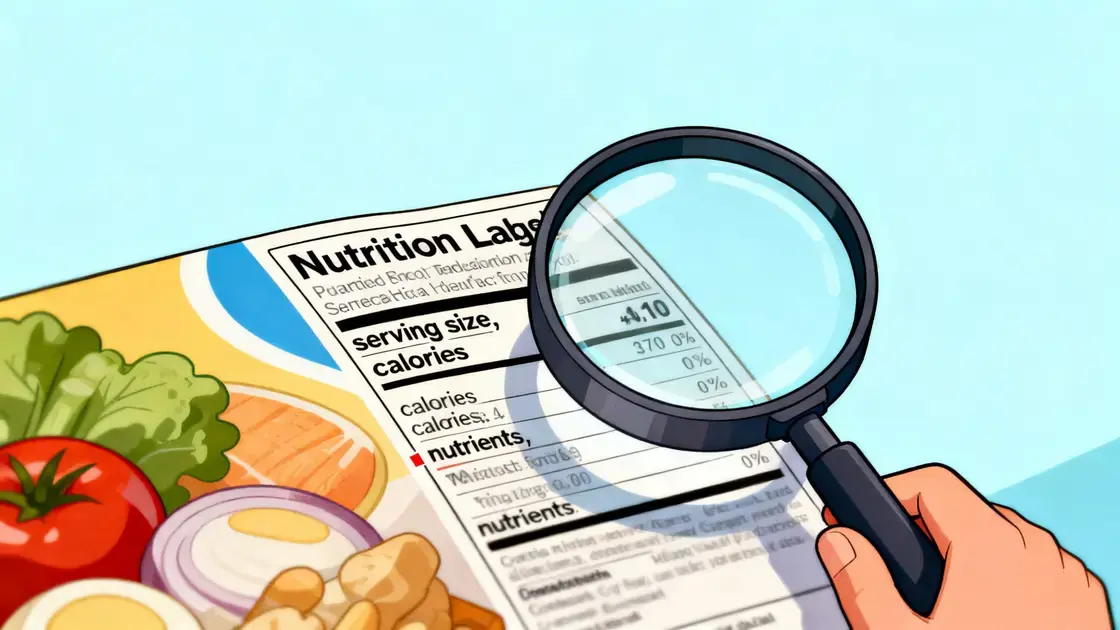
Knowing how to read nutrition labels can improve your food choices and help you follow a healthy diet. Many shoppers feel confused by unfamiliar terms, percentages, or serving sizes on packages. Healthy eating begins with attention and confidence when picking products.
Quick label reading becomes easier with a few simple tips. Focusing on key areas like calories, ingredients, and nutrients makes sense of what matters.
Continue reading for surprising insights and unlock the secret to smarter shopping decisions.
Understanding the Nutrition Label Layout
When you first pick up a food product, the nutrition label can look overwhelming. But every box, bottle, or bag follows a similar pattern that makes decoding the label much simpler. Most nutrition facts panels show important information in a standard format, which quickly points you to the most vital details.
Near the top of the label, you’ll find the serving size and the number of servings per container. This is followed by calories, then a list of nutrients such as fat, cholesterol, sodium, carbohydrates, protein, vitamins, and minerals. What’s unique is that these items are always shown in the same order to make comparison easy between products.
You’ll also notice a column with percents called “% Daily Value.” These values tell you how much of each nutrient you’re getting per serving, based on a typical daily diet. Getting comfortable with this layout is the first step toward healthier choices at the supermarket.
Serving Size: The Key to Accurate Nutrition
Understanding the serving size is essential for accurate nutrition tracking. At the top of any nutrition label, the serving size tells you how much of the food the listed nutrition facts apply to. It often differs from what you might actually eat or drink in one sitting, so it’s easy to confuse the numbers if you’re not paying attention.
The serving size can be given in familiar household measures like “1 cup” or “2 crackers,” as well as in grams or milliliters. Always check both the serving size and the number of servings in the package. If you eat more than the stated serving, you need to multiply the calories and all the nutrients by how many servings you consume.
Comparing serving sizes between similar products can reveal surprising differences. Sometimes, a product seems lighter or healthier until you adjust for the real portion size. Reading this small detail helps you make better, more honest choices for your goals and lifestyle.
Calories: Knowing What They Mean
Calories are often the first thing people check, but their meaning goes beyond just a number. The calories listed represent the energy you get from one serving of the product. Going over your daily calorie needs regularly can lead to weight gain, while not getting enough may leave you feeling tired and unfocused.
Meals and snacks add up quickly, especially if you don’t pay close attention to serving sizes. One bag of chips or bottle of juice may actually contain more than one serving, which means total calorie intake might be higher than you expect. For some, finding foods lower in calories is important, but calories alone do not tell the full health story.
- Balance calories with nutrients like fiber and protein
- Watch for hidden, empty calories from sugar or fat
- Compare several products for better options
Understanding calories can guide smarter choices and keep you energized throughout your day.
Spotting Hidden Sugars, Fats, and Sodium
Food companies often use creative labeling to mask the true content of sugars, unhealthy fats, and sodium. Smart shoppers know that even foods labeled “healthy” or “natural” can contain high levels of these ingredients, which can sneak into your daily intake without you noticing.
It’s common for sugars to hide under names like maltose, dextrose, or corn syrup. Similarly, saturated fats and trans fats might not be obvious at first glance but have a big impact on health. Sodium, often found in processed and packaged foods, can add up quickly, affecting blood pressure and heart health.
- Scan for long ingredient lists with hard-to-pronounce items
- Check the grams of added sugars, not just total sugar
- Look for “sodium” and its daily value percentage
Identifying these hidden components empowers you to choose foods that support your well-being and long-term vitality.
Ingredient Lists and Order of Importance
The ingredient list on a package doesn’t just tell you what’s inside—it reveals what makes up most of your food. Ingredients are listed in descending order by weight, meaning the first few items make up the bulk of the product. If sugar, fats, or salt come before whole grains or natural ingredients, it’s a red flag for nutrient quality.
Reading the list carefully can alert you to artificial colors, preservatives, or unnecessary fillers that diminish food value. You may be surprised how often a “healthy” snack has sugar or syrup as a top ingredient, or that fiber is buried further down.
- Choose items with shorter, simpler ingredient lists
- Pick products where whole foods rank higher
- Avoid items where sugar or salt is among the first three
The order of ingredients can quickly tell you if what you’re eating lives up to your expectations of health and nutrition.
Comparing Similar Products at a Glance
Standing in a store aisle, choosing between two similar-looking products can be tough. The nutrition label offers a quick way to compare options side by side. Focusing on metrics like calories, fat, sodium, added sugars, and fiber shines a light on which item truly supports your health goals.
Simple swaps can add up. One cereal may look almost identical to another, but reading the labels closely might show a big difference in added sugar or fiber. Sometimes, a “lite” version contains less fat but extra sugar to keep the flavor.
- Compare serving sizes to ensure a fair assessment
- Look for lower sodium and added sugar levels
- Choose products with more fiber and protein per serving
Small details on the label can make a huge difference when it comes to daily nutrition—empowering you to bring home food that supports your best self.
Top Nutrition Label Mistakes to Avoid
Even careful shoppers can fall into traps when reading food labels. Misreading serving sizes is a common error—many assume the package holds just one, when it often contains multiple. Multiplying numbers matters for accuracy.
Another frequent mistake involves trusting product claims on the front of the package. Labels like “low fat” or “sugar-free” may sound healthy, but checking the ingredients and nutrition facts reveals the full story. Don’t overlook the details in the fine print, such as added sugars or sodium content.
- Don’t ignore the % Daily Value column
- Watch out for unfamiliar ingredient names
- Make a habit of comparing options before buying
Learning to spot these pitfalls leads to more confident choices and supports your long-term health goals.
Practical Tips for Smarter Choices
Simple habits can make reading nutrition labels second nature and lead you toward the healthiest foods every time you shop. Take a moment to slow down in the aisle, giving yourself space to check labels even when you’re in a rush.
Don’t focus on just one part of the label—balance information about calories, fat, sugar, sodium, and fiber. The big picture matters most for overall health.
- Scan for shorter ingredient lists and familiar words
- Choose foods with more fiber and protein but less added sugar
- When in doubt, pick minimally processed items
Making small, label-based changes adds up over time and can transform your eating patterns. Remember, every trip to the store is a new chance to put your healthy eating goals into action.


